

HOME
RESULTS
CLIENT LOGIN
BEYOND 100K
FOUNDATION
JOIN THE MAILING LIST
FREE TRAINING
THE PODCAST
005/
006/
007/
008/
001/
002/
003/
004/



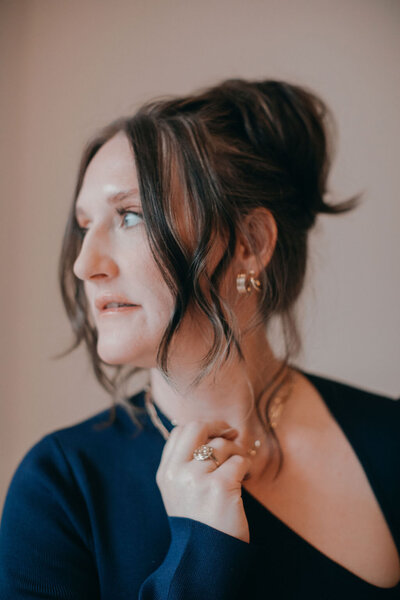

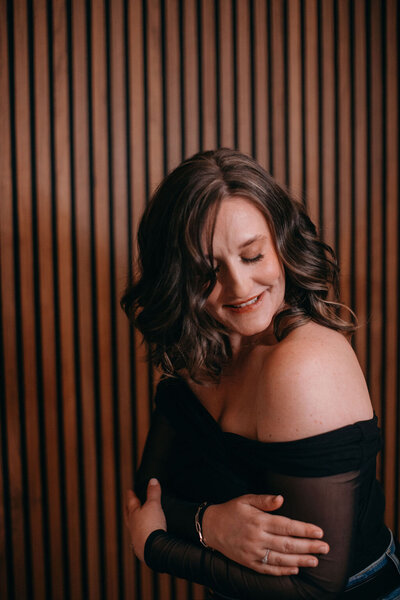
EP. 278 The Making of Feel and Heal. Gabrielle Provost on Healing Chronic Pain and Empowering Clients With MFR Self Treatment
February 9, 2026
When I spoke with Gabrielle Provost about her new book, I was struck by how closely her work reflects the way MFR self treatment supported her through some of the hardest years of her life. Hearing her describe the evolution of this project reminded me how powerful it can be when someone has both the tools and the understanding to work with their body at home.
Gabrielle approached this book with the same focus she once brought to her own healing. She understood how difficult it can be to navigate pain without guidance, and she wanted people to have a place to start even when in-person support isn’t available. Her illustrated guide and custom therapy balls grew from that intention: to make MFR self treatment clear, approachable, and grounded in real experience.
These takeaways highlight what stood out most from our conversation and why her work matters for anyone exploring MFR treatment.
How MFR Self Treatment Helped Gabrielle Recover From Years of Chronic Pain
MFR self treatment played a central role in Gabrielle’s recovery because it gave her a way to participate in her healing when nothing else created lasting change. Years before she became a therapist, she lived with constant pain after being hit by a car at eighteen. She did everything she could to support herself through movement, nutrition, and weekly therapies, but the pain continued to escalate until she was diagnosed with fibromyalgia.
When she learned that an MFR therapist in Vermont might be able to help, she made the two-hour drive from Montreal and began experiencing releases that felt different from anything else she had tried. Those sessions opened a door, but the real shift happened when she went to Therapy on the Rocks for an intensive and was encouraged to start self treating between sessions.
Self treatment gave her back a sense of possibility. Instead of spending hours each day managing pain, she now had something she could actively do to support her body. She followed what she learned at the intensive and treated herself for long stretches each day, guided by sensation rather than a rigid checklist. Over time, that practice helped her return to movement, work, and daily life with ease she hadn’t felt in years.
Why Awareness Is the Foundation of Effective MFR Self Treatment
Awareness shapes the effectiveness of MFR self treatment because it determines how fully someone can sense and respond to what their body is doing. Gabrielle emphasized that placing a ball under an area of tension is only the starting point. The meaningful part comes from noticing subtle shifts in pressure, breath, and sensation as the tissue begins to soften.
She explained that awareness guided her recovery when she first learned to self treat. Instead of pushing through discomfort or seeking a quick release, she learned to slow down and feel what was happening under her hands. That attention helped her understand when her body was resisting, when it was letting go, and where it needed more time.
This is the foundation she brings into her book. The illustrated positions are useful on their own, but the deeper value comes from learning how to stay present during the process. Gabrielle wants readers to develop the same skill she relied on—listening closely enough to recognize the small changes that signal real therapeutic movement.
How Her Illustrated Book Makes MFR Self Treatment Accessible at Home
Her illustrated book makes MFR self treatment accessible at home because it gives readers clear visual guidance for positioning, variations, and safe progression. Gabrielle wanted people to be able to open the book to any page and immediately understand how to begin, even if they were new to this type of work.
She explained that the visual structure was essential from the start. Before she partnered with an illustrator, she used photos of friends and family to map out each exercise. Those images doubled as practical tools for her clients, who tested the positions and provided feedback about what was clear and what needed refinement. That process shaped the final layout, ensuring each illustration matched real movement and real bodies.
The kit includes two therapy balls she designed specifically for MFR, which allows readers to follow the book without searching for equipment that may behave differently. The combination of clear visuals, step-by-step guidance, and consistent tools creates a home-friendly system that mirrors how she teaches clients in person.
Why Self Treatment Matters for Both New and Experienced MFR Clients
Self treatment matters for both new and experienced MFR clients because it supports ongoing progress in ways that extend beyond what can happen in a single session. Gabrielle has seen how beginners benefit from having stable guidance at home, especially when they’re still learning how to sense restrictions and respond to it with patience.
For new clients, the book gives them structure. The illustrations help them understand where to place the ball, how to adjust their position, and what to expect as their body starts to soften. It removes guesswork and makes the early stages of learning MFR feel manageable.
Experienced clients often discover something different. They already understand how their body responds to MFR, but they can fall into familiar patterns that limit exploration. The book introduces new angles, new areas, and new ways to approach tissue that has grown accustomed to certain routines. Many of her long-term clients have told her that the guide helped them see their self treatment from a different perspective and reconnect with the curiosity they had early on.
How Gabrielle Hopes to Expand Access to MFR Through This Book and Toolkit
Gabrielle hopes to expand access to MFR self treatment by offering a resource that introduces the work to people who may not have encountered it before. She designed the book for clients within the MFR community, but she also imagined readers who are living with pain and have no prior knowledge of fascia or this approach.
She explained that her own experience of searching for help shaped this vision. She remembered how limited her options were years ago and how valuable it would have been to have a clear, safe starting point. By creating a guide that can stand on its own, she hopes to reach people who are curious about MFR or who need support between sessions.
Offering the book through her website and creating a wholesale option for therapists allows the material to circulate beyond her practice. Her larger goal is for more people to understand what MFR can offer and to feel confident beginning their own self treatment journey at home.
Additional Topics You’ll Hear in the Full Episode
The episode covers more than the core takeaways shared above. Here are some of the additional questions and stories discussed during the conversation:
- What helped Gabrielle stay committed during the eight-year process of creating the book
- How she balanced writing, client work, and the many stages of development
- The role of peer support, editing feedback, and illustration in shaping the final guide
- How her early background in filmmaking influenced her approach to visual instruction
- What her experience at Therapy on the Rocks revealed about her own healing
- Why she encourages therapists to offer the book and therapy balls in their practices
- How she navigated shipping, customs, and logistics during the book launch
- Why she believes self treatment is a way to stay connected to daily life from the inside out
You can listen to the full interview to explore these insights and hear the complete conversation.
Purchase the Book at https://feelandheal.com/. Use code MFRCOACH20 for 20% savings.
Connect with Gabrielle Provost, owner of L’autre voie MFR in Montreal, Qc and Author | Website
If Gabrielle’s story inspires you to deepen your own myofascial release self treatment practice and to support clients in taking ownership of their healing, explore Heather’s Foundations Coaching Program at www.themfrcoach.com/foundation. You can also grab a seat at the next free webinar at www.themfrcoach.com/webinar to learn how to talk about MFR, support client self care, and grow a fully booked practice that feels sustainable.
**This podcast is not medical advice and is not a substitute for consultation with an appropriate medical professional. We make no representations as to any physical, emotional, or mental health benefits that may be derived from listening to our podcast. Likewise, we do not make any representations or guarantees as to any possible income, business growth, additional clients, or any other earnings or growth benefits that may be derived from our podcast. Any testimonials, examples, or other results presented are the experiences of one client. We do not represent or guarantee you will achieve the same or similar results. You understand and agree you are solely responsible for any decisions you make from the information provided.**
The MFR Coach’s Podcast includes affiliate links in its show notes. This means we may earn a commission if you click on or make purchases via the links in our show notes.

